
入睡,
正在变成一场拉锯战。
你还记得上一次放松入睡是什么时候吗?
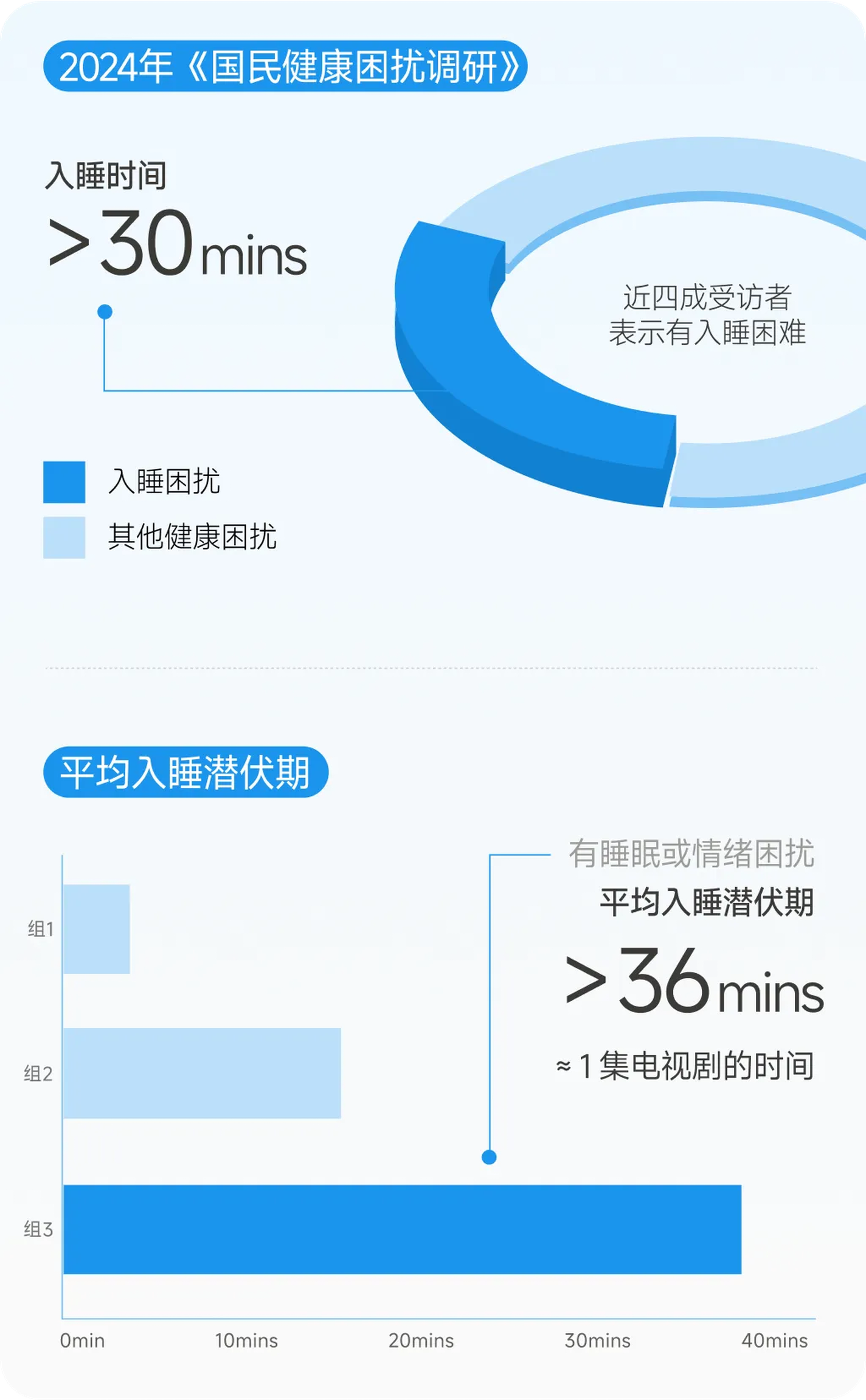
根据2024年《国民健康困扰调研》数据,将近四成的受访者表示自己无法在30分钟内入睡。而有睡眠或情绪困扰的人,平均入睡潜伏期更是超过36分钟。
当我们白天拼命强打精神、应对各种压力时,到了晚上却常常被下午的提神咖啡、难以回落的紧绷状态和刷不停的手机困住,越想睡着,思绪越清晰。
从长期看,夜间休息不佳不仅影响白天的专注力与状态稳定性,更容易引发“晚上睡不好、白天没精神”的循环。第二天状态易紧绷、难以集中注意力,于是很多人开始寻求各种外在方式,却又陷入新的困扰中。这种状态,就像缠绕在生活中的死结。
但早在数百年前,古印度阿育吠陀医学就发现了解答——南非醉茄(Ashwagandha)。这种古老草本能帮助身体应对压力、舒缓紧张状态。
传统智慧 × 科学验证:
南非醉茄到底是什么?
别看名字里有"茄子",南非醉茄其实是一种的常绿灌木。印度的"全能神草",它的梵文名"Ashwagandha"意为"马的气味",既形容根部特有的气息,也暗喻它能像骏马一样给人带来活力和耐力。
在印度阿育吠陀医学体系中,南非醉茄的传统应用广泛(3):
- 根部:被誉为"印度人参",常被用于支持日常精力与身体活力
- 叶子与花果:在传统古老应用中常用于日常防御与调理
现代科学研究发现,南非醉茄的核心活性成分主要有三大类(4):醉茄内酯(Withanolides);生物碱(Alkaloids);酚类与黄酮类(Phenols and flavonoids)。其中,醉茄内酯被认为是其辅助应对压力、帮助夜间放松等作用的关键所在,其他成分则起到协同增效的作用。
- 机制成熟,科学验证
Sensoril®已有超12项人体临床研究验证,覆盖压力、睡眠、精力和情绪等多健康维度。Sensoril® 专利南非醉茄提取物精准配方,基于大量临床研究数据及安全有效剂量,旨在维持日常调理的科学平衡,既提供合理的营养支持,又避免过量摄入带来的身体负担,帮助你长期安心服用。
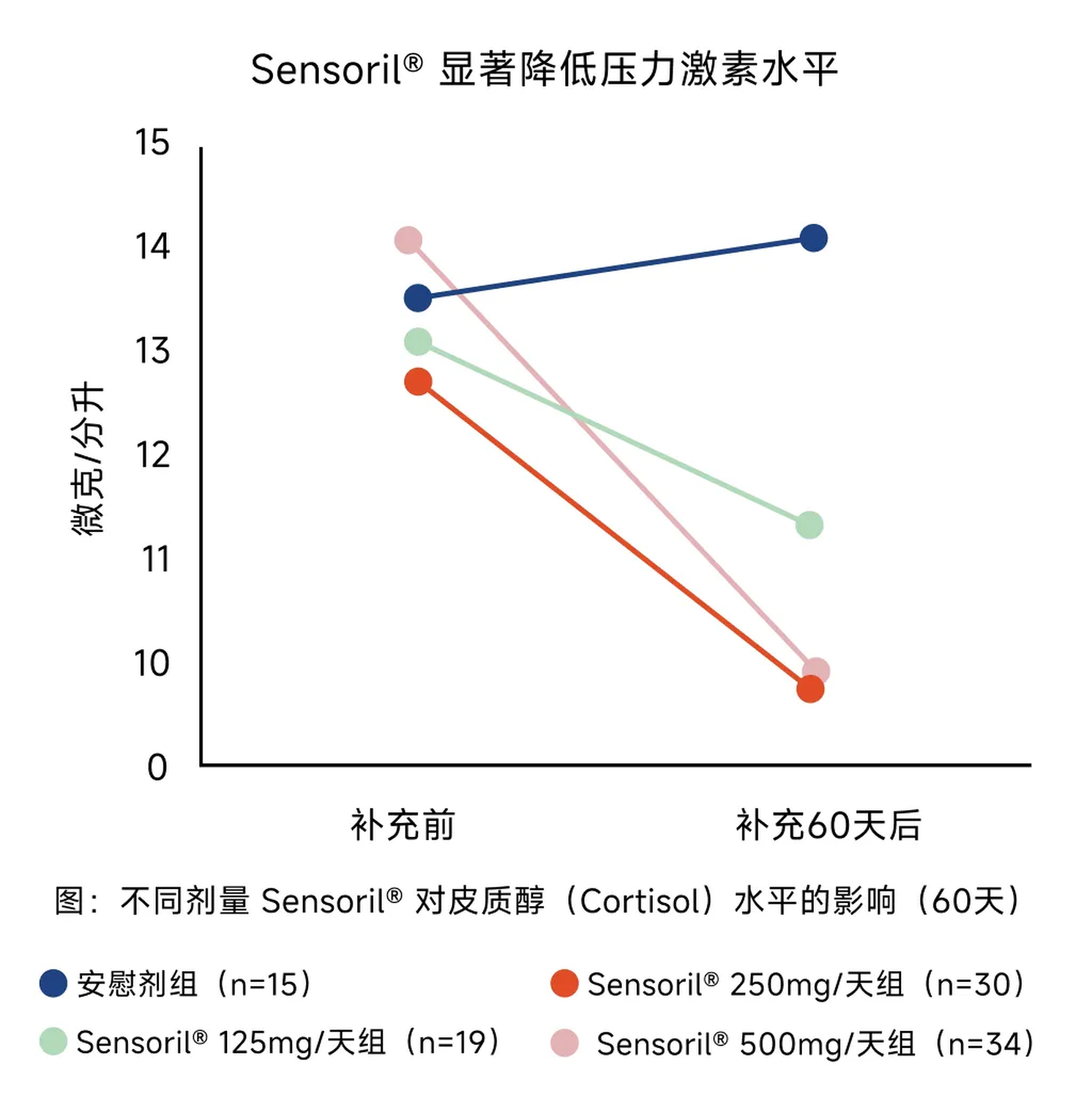
Sensoril®显著降低压力激素水平对比图
数据来源:Auddy B, Hazra J, Mitra A, Abedon B, Ghosal S. (2008) A standardized Withania somnifera extract significantly reduces stress-related parameters in chronically stressed humans: a double-blind, randomized, placebo-controlled study. Journal of American Nutraceutical Association, 11:50-56.
- Sensoril®专利——叶根双萃
Sensoril® 与市面常见的草本粉不同,采用的是根+叶的全谱提取技术,不仅保留了醉茄内酯、糖苷、多酚等多种植物活性物,还通过温和水萃方式,最大程度保留有效成分的活性,减少刺激,适合日常调理与长期服用。
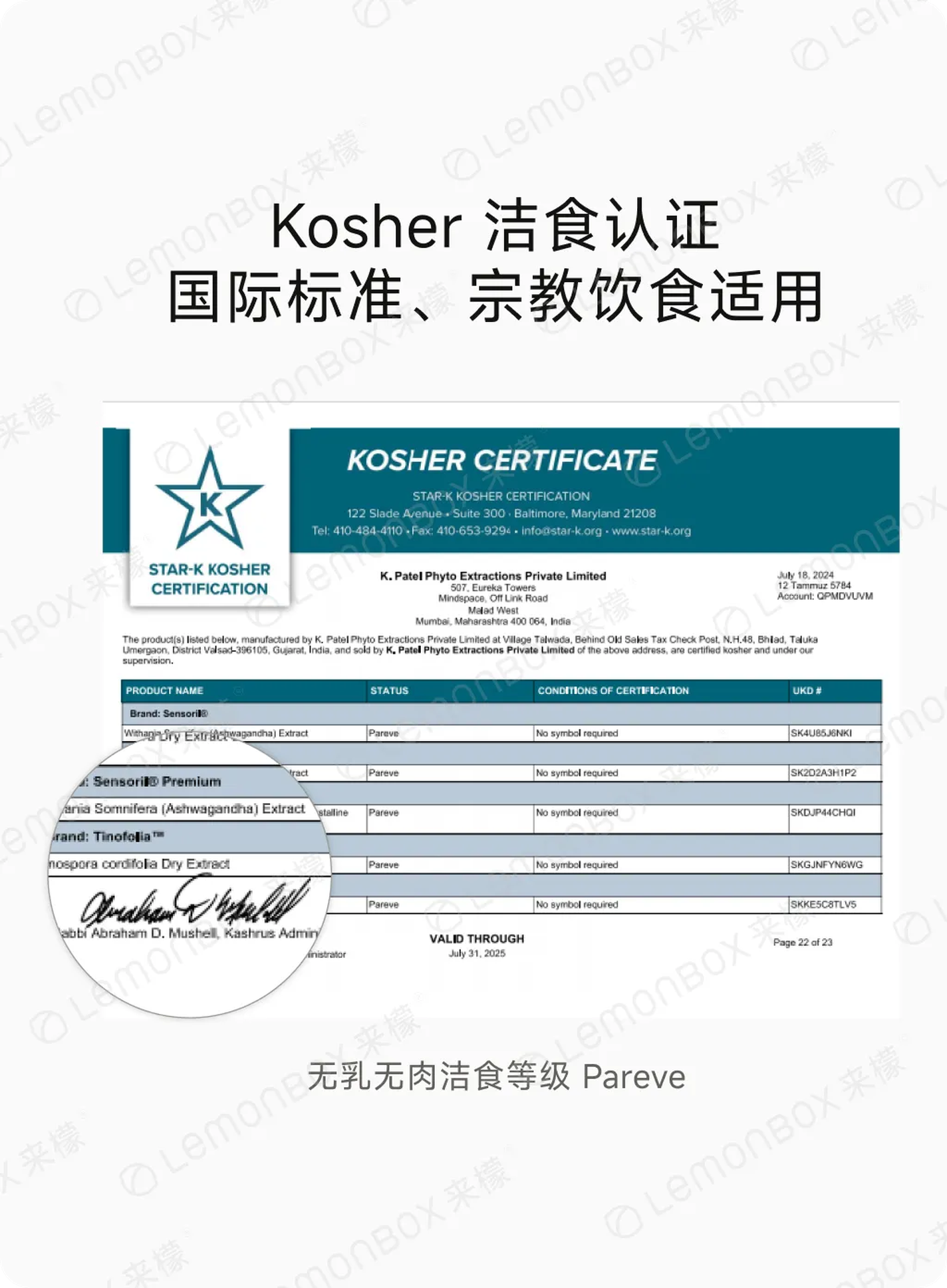
- 国际认证,选得放心,吃得安心
此外,每一批原料均通过第三方权威机构检测,确保无农残、无重金属污染,让你吃得安心,也补得有效。
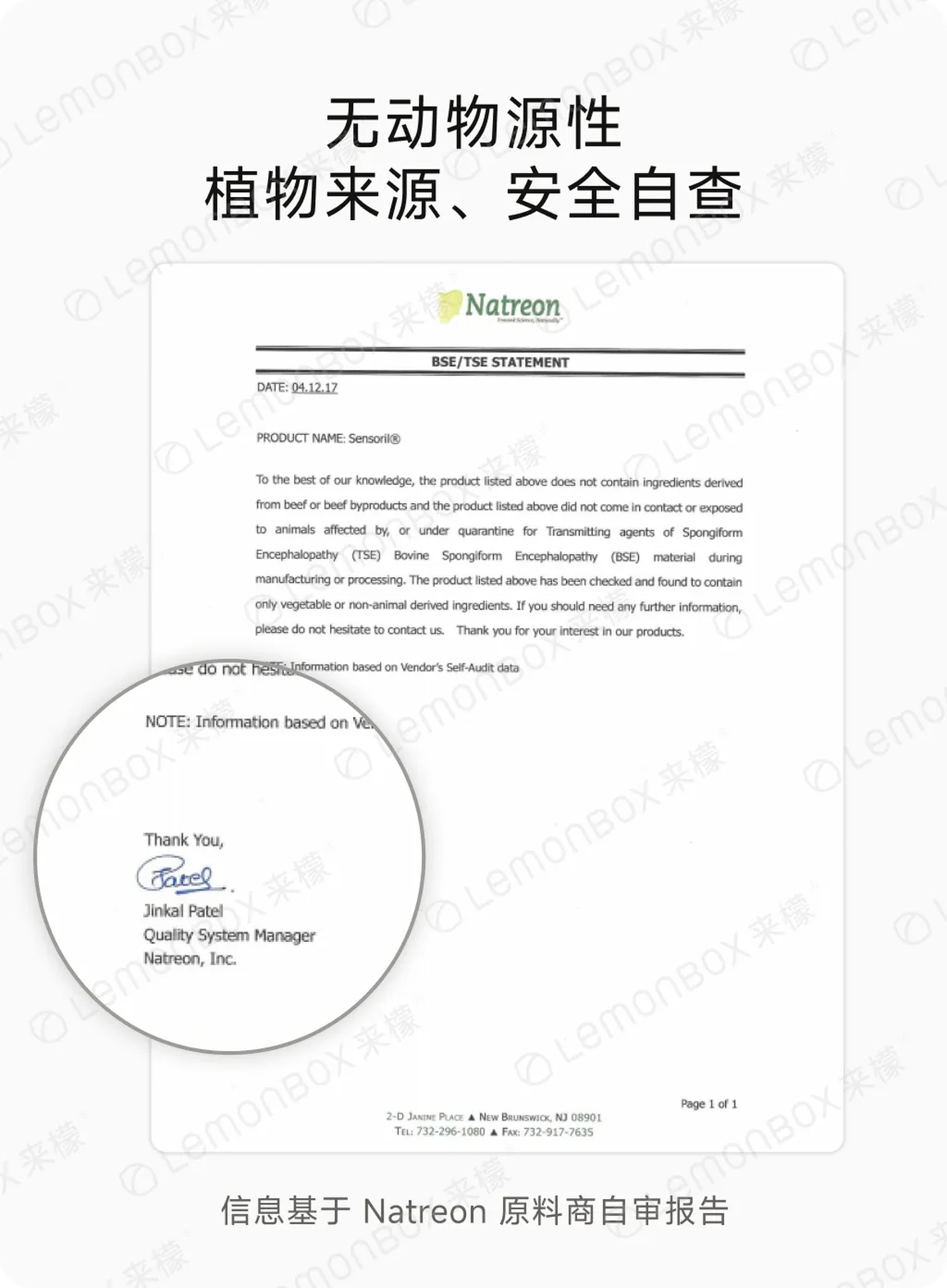
无动物源性报告
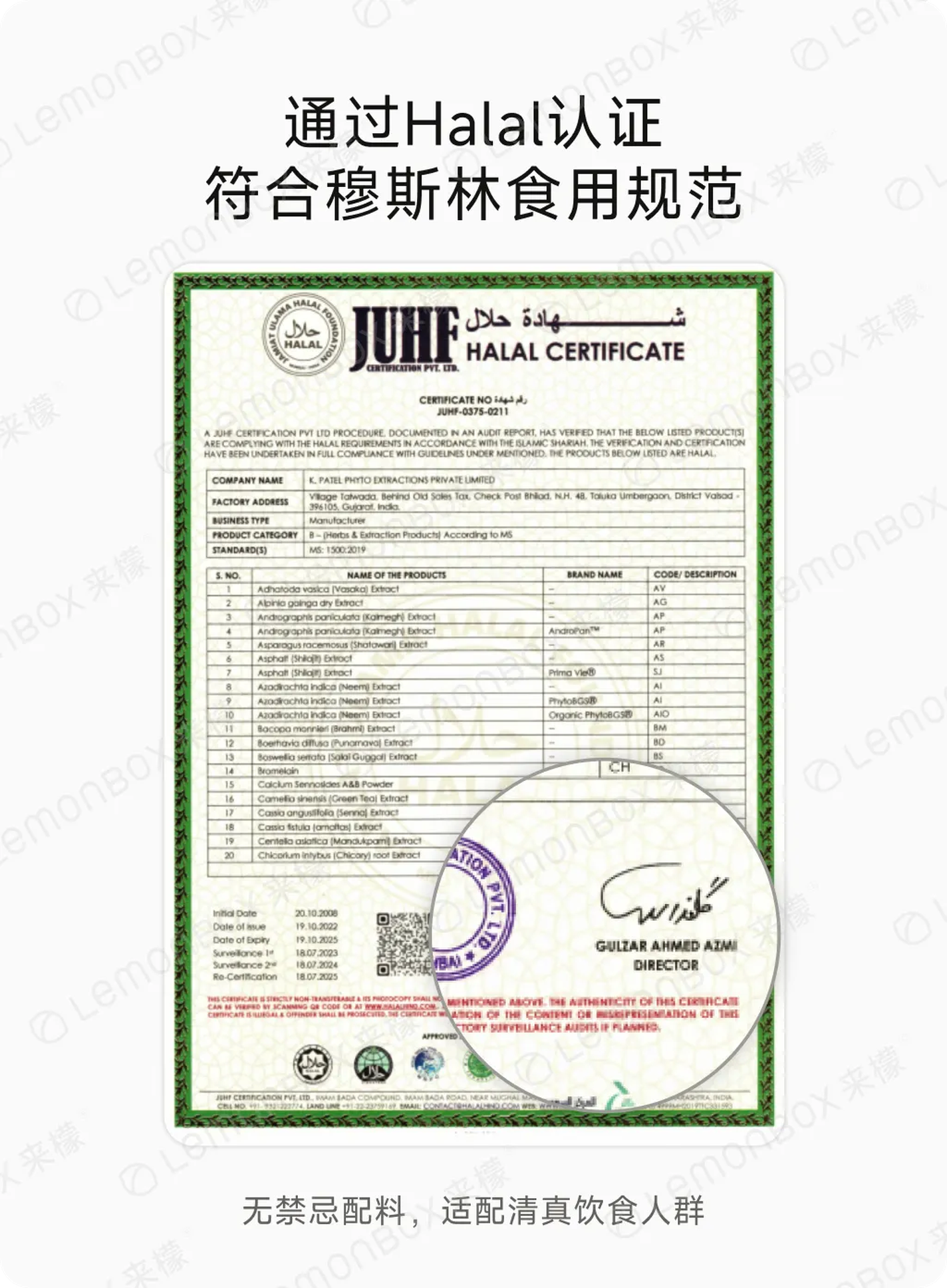
Halal认证
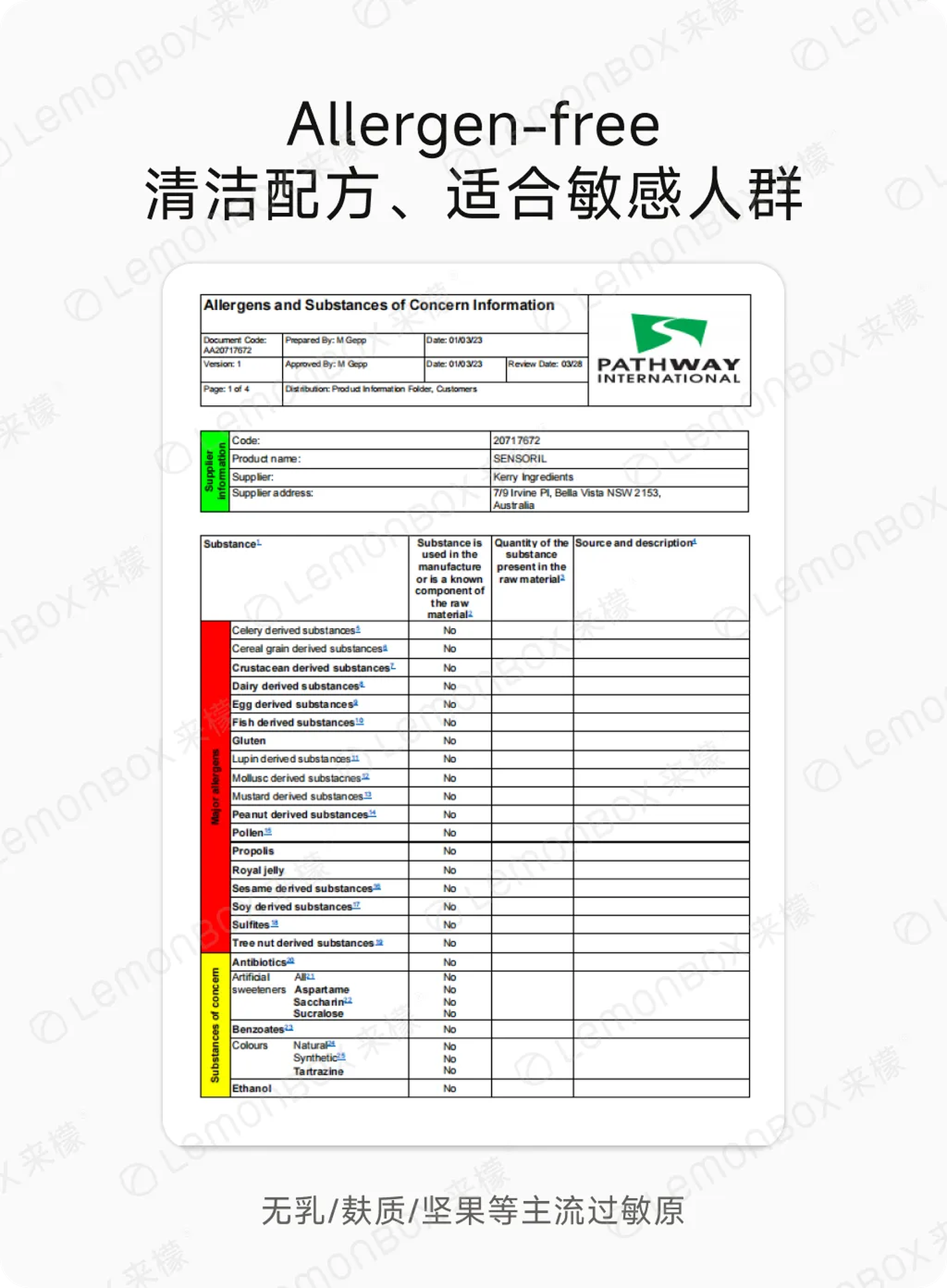
Allergen-Free报告
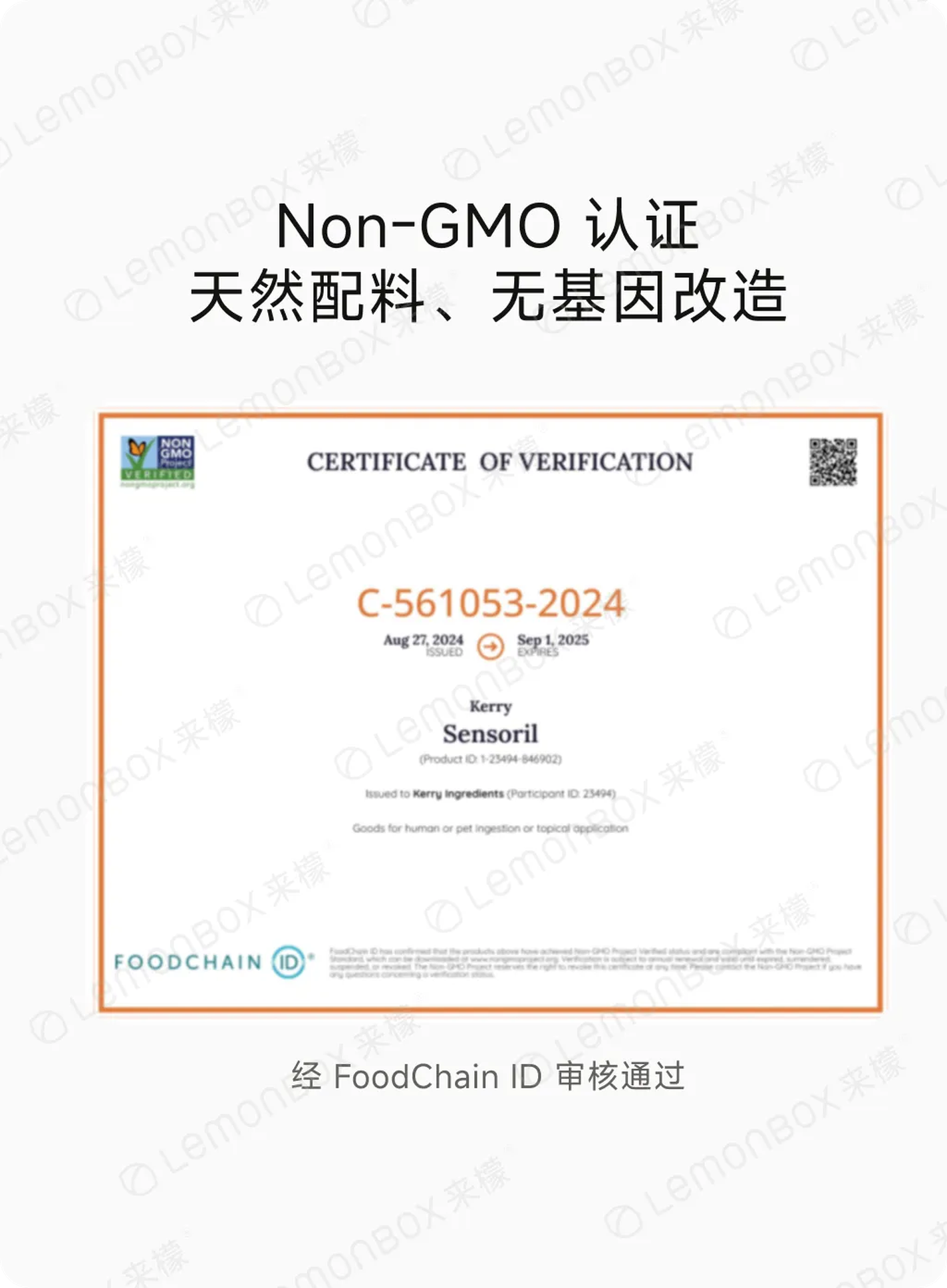
Non-GMO 认证报告
Reference:
- Kronholm, E., Partonen, T., Härmä, M., Hublin, C., Lallukka, T., Peltonen, M., & Laatikainen, T. (2016). Prevalence of insomnia-related symptoms continues to increase in the Finnish working-age population. Journal of sleep research, 25(4), 454–457. https://doi.org/10.1111/jsr.123 98
- Vriend, M., Rocks, C., & Finch, D. (2025, January 22). Mental health trends among working-age people. The Health Foundation. https://www.health.org.uk/reports-a nd-analysis/analysis/mental-health-trends-among-working-age-people
- Polumackanycz, M., Petropoulos, S. A., Śledziński, T., Goyke, E., Konopacka, A., Plenis, A., & Viapiana, A. (2023). Withania somnifera L.: Phenolic Compounds Composition and Biological Activity of Commercial Samples and Its Aqueous and Hydromethanolic Extracts. Antioxidants (Basel, Switzerland), 12(3), 550. https://doi.org/10.3390/antiox1 2030550
- Lopresti, A. L., & Smith, S. J. (2021). Ashwagandha (Withania Somnifera) for the treatment and enhancement of mental and physical conditions: A systematic review of human trials. Journal of Herbal Medicine, 28, 100434. https://doi.org/10.1016/j.herme d.2021.100434
- Akhgarjand, C., Asoudeh, F., Bagheri, A., Kalantar, Z., Vahabi, Z., Shab-Bidar, S., Rezvani, H., & Djafarian, K. (2022). Does Ashwagandha supplementation have a beneficial effect on the management of anxiety and stress? A systematic review and meta-analysis of randomized controlled trials. Phytotherapy research : PTR, 36(11), 4115–4124. https://doi.org/10.1002/ptr.759 8
- Cheah, K. L., Norhayati, M. N., Husniati Yaacob, L., & Abdul Rahman, R. (2021). Effect of Ashwagandha (Withania somnifera) extract on sleep: A systematic review and meta-analysis. PloS one, 16(9), e0257843. https://doi.org/10.1371/journal.pone.0257843
- Paul, S., Chakraborty, S., Anand, U., Dey, S., Nandy, S., Ghorai, M., Saha, S. C., Patil, M. T., Kandimalla, R., Proćków, J., & Dey, A. (2021). Withania somnifera (L.) Dunal (Ashwagandha): A comprehensive review on ethnopharmacology, pharmacotherapeutics, biomedicinal and toxicological aspects. Biomedicine & pharmacotherapy = Biomedecine & pharmacotherapie, 143, 112175. https://doi.org/10.1016/j.bioph a.2021.112175
- Bonilla, D. A., Moreno, Y., Gho, C., Petro, J. L., Odriozola-Martínez, A., & Kreider, R. B. (2021). Effects of Ashwagandha (Withania somnifera) on Physical Performance: Systematic Review and Bayesian Meta-Analysis. Journal of functional morphology and kinesiology, 6(1), 20. https://doi.org/10.3390/jfmk601 0020
- Singh, N., Bhalla, M., de Jager, P., & Gilca, M. (2011). An overview on ashwagandha: a Rasayana (rejuvenator) of Ayurveda. African journal of traditional, complementary, and alternative medicines : AJTCAM, 8(5 Suppl), 208–213. https://doi.org/10.4314/ajtcam.v8i5S.9
- Esmaealzadeh, N., Iranpanah, A., Sarris, J., & Rahimi, R. (2022). A literature review of the studies concerning selected plant-derived adaptogens and their general function in body with a focus on animal studies. Phytomedicine : international journal of phytotherapy and phytopharmacology, 105, 154354. https://doi.org/10.1016/j.phyme d.2022.154354
- Saleem, S., Muhammad, G., Hussain, M. A., Altaf, M., & Bukhari, S. N. A. (2020). Withania somnifera L.: Insights into the phytochemical profile, therapeutic potential, clinical trials, and future prospective. Iranian journal of basic medical sciences, 23(12), 1501–1526. https://doi.org/10.22038/IJBMS.2020.44254.10378
- U.S. Department of Health and Human Services. (2023, March). Ashwagandha: Usefulness and safety. National Center for Complementary and Integrative Health. https://www.nccih.nih.gov/health/as hwagandha
- Dave, K. (2022, September 24). Ashwagandha and caffeine: The best combo: Awesome coffee. Awesome Health Club. https://awesomehealthclub.com/b logs/ashwagandha/ashwagandha-and-caffeine
- Speers, Alex B et al. “Effects of Withania somnifera (Ashwagandha) on Stress and the Stress- Related Neuropsychiatric Disorders Anxiety, Depression, and Insomnia.” Current neuropharmacology vol. 19,9 (2021): 1468-1495. doi:10.2174/1570159X19666210712151556